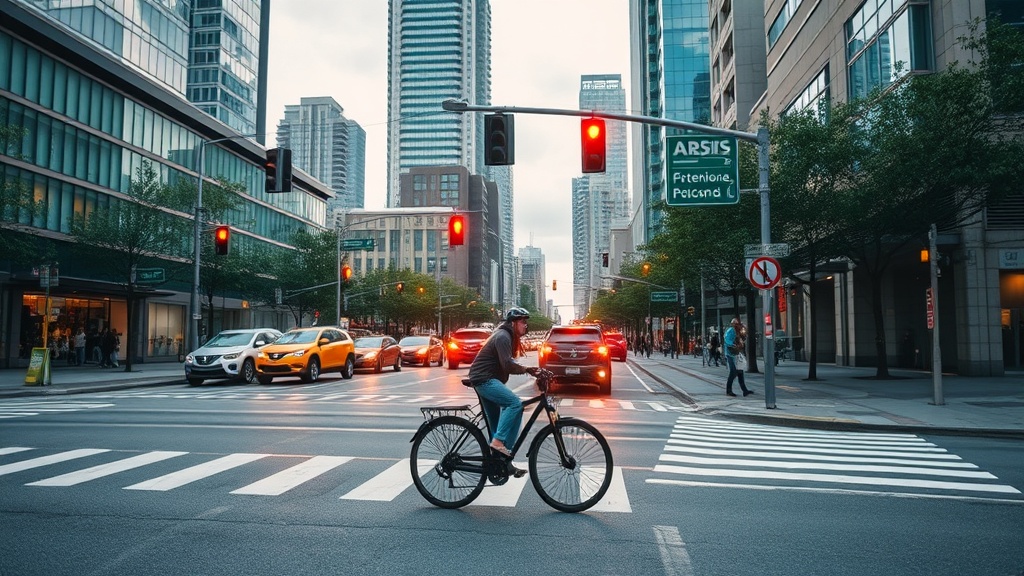
Confidently Navigating Vancouver's Streets by Bike: A Practical Guide for Residents

Imagine you’re rolling along Beach Avenue, the sea breeze in your hair, effortlessly cruising past traffic—that's the dream of urban cycling in Vancouver. Our city, with its growing network of bike lanes and stunning natural backdrops, truly is a cyclist's paradise. But getting comfortable on two wheels amidst the city's hustle takes more than just a bike; it requires understanding local routes, adhering to traffic rules, and knowing how to stay safe. This guide walks you through making the most of Vancouver's incredible cycling infrastructure, offering practical steps to ensure every ride is both enjoyable and secure for new and seasoned riders alike, particularly for those of us living in or frequenting English Bay.
How Can I Choose the Right Gear for City Riding?
Before you even think about hitting the pavement, kitting yourself out with the right gear is non-negotiable. Safety isn't just a suggestion; it’s your best companion on busy city streets, and proper equipment drastically reduces risks. Let's start with the absolute basics, then move into aspects of comfort and convenience that make urban cycling a true pleasure.
Helmet: Your Brain’s Best Friend
A good helmet isn't just about avoiding tickets—it’s about protecting your most important asset. In British Columbia, wearing an approved bicycle helmet is mandatory for all ages. Look for one that fits snugly, covers your forehead, and sits level on your head. Most reputable bike shops in the West End can help you find the perfect fit, ensuring the straps form a 'V' shape just below your ears and the buckle rests comfortably under your chin. Remember, a helmet that's too loose or too far back offers minimal protection. Crucially, ensure it meets recognized safety standards (CSA, CPSC, or ASTM labels are reliable indicators). If your helmet sustains an impact, even if there’s no visible damage, replace it; its protective integrity may be compromised.
Lights and Reflectors: Be Seen, Be Safe
Even if you only plan to ride during the day, Vancouver's notoriously changeable weather—unexpected overcast skies or a lingering sunset—can quickly diminish visibility. By law, bikes need a white front light and a red rear light or reflector from half an hour before sunset to half an hour after sunrise, and at any other time visibility is poor. However, aiming for better-than-minimum is always a smart choice. Consider front lights with at least 400 lumens for night riding (and a lower, flashing mode for daytime visibility) and a bright, flashing red rear light. Combine these with reflective tape on your bike frame, wheels, and clothing (jackets, backpack covers, shoe covers), and you'll become much more noticeable to drivers and pedestrians alike.
Lock: Securing Your Ride
Vancouver is a bike-friendly city, but unfortunately, bike theft is a reality, and it's always better to be prepared. Invest in a quality U-lock or a heavy-duty folding lock. These generally offer more security than cable locks, which are easily cut. Using two different types of locks can deter thieves, as they might require different tools to break through. Always lock your frame and at least one wheel to a secure, immovable object—a bike rack, lamppost, or sturdy street sign. The 'Sheldon Brown method' (locking the rear wheel through the chainstay triangle) is a popular and effective technique. Consider registering your bike with the local police or a service like 529 Garage; it significantly increases your chances of recovery if it's stolen and acts as a deterrent.
Comfort and Convenience Add-ons
- Fenders: A lifesaver in Vancouver’s wet climate, full-coverage fenders will keep road spray, mud, and grime off you and your clothes, making your commute much more pleasant.
- Panniers or a Basket: Ideal for carrying groceries from your local market, work essentials, or beach gear without straining your back or throwing off your balance. Rear racks are incredibly versatile.
- Bell or Horn: A polite—and legally required—way to alert pedestrians or other cyclists to your presence. A simple bell works wonders; some riders prefer louder horns in heavy traffic.
- Flat Repair Kit: Learning how to change a flat tire is a valuable skill that can save you a long walk home. A basic kit includes tire levers, patches, and a small pump or CO2 inflator. Practice at home!
- Multi-tool: A compact multi-tool can address minor adjustments or loose bolts mid-ride, preventing small issues from becoming major inconveniences.
- Water Bottle and Cage: Staying hydrated is important, especially on longer rides.
- Appropriate Clothing: Layering is key for Vancouver's four-seasons-in-one-day weather. Think waterproof outer layers, breathable fabrics, and gloves for colder days.
What Are the Key Rules for Cycling Safely in Vancouver?
Riding a bike in Vancouver means sharing the road and pathways with pedestrians, drivers, and other cyclists. Understanding the rules—and practicing good etiquette—makes everyone's experience better and safer, reducing friction and preventing accidents. The more predictable you are, the safer you'll be.
Obey Traffic Laws
Cyclists are legally considered vehicle operators in British Columbia. This means you must obey all traffic laws: stopping at red lights and stop signs, signaling turns, and riding on the right side of the road. Don't weave through traffic, and absolutely avoid riding on sidewalks in commercial areas; it’s generally prohibited (and can result in a fine) and inherently dangerous for pedestrians, especially those with mobility challenges or children. Ignoring these rules not only puts you at risk but also contributes to negative perceptions of cyclists, which makes sharing the road harder for everyone. Think of yourself as a small, nimble vehicle with all the same responsibilities.
Be Predictable and Visible
One of the best ways to stay safe is to make your intentions crystal clear. Use clear hand signals for turns and stops; it communicates your next move to drivers and other cyclists. Ride in a straight, predictable line, avoiding sudden swerves or unexpected movements. Make eye contact with drivers and pedestrians at intersections—a quick nod or wave can confirm you've been seen and acknowledge their presence. Bright clothing, especially during low light conditions or on cloudy days, enhances your visibility dramatically. Always assume drivers haven't seen you, and ride defensively.
Maintain a Safe Distance
Keep a safe following distance from vehicles, pedestrians, and other cyclists. This gives you precious time to react to sudden stops, opening car doors, or unexpected movements. A good rule of thumb is the 'three-second rule' you might use in a car, giving you ample space to brake. When passing parked cars, always give them at least a door's width of space (approximately one meter or three feet) to avoid the dreaded 'door prize.' On shared paths like the Seawall, pass pedestrians with care, announcing your presence with your bell or a verbal "on your left!" well in advance.
Understanding Bike Lanes and Routes
Vancouver has an expanding network of dedicated bike lanes and greenways, designed to keep you safe and efficient. These are your best friends for safe travel. Learn to use them; they’re designed to separate you from vehicle traffic. When a bike lane isn't available, remember you have the right to occupy a full lane if necessary for your safety, especially on narrower streets or where parked cars create a 'door zone.' This 'taking the lane' strategy can prevent drivers from passing too closely. For detailed, up-to-date maps of Vancouver's comprehensive cycling infrastructure, check out the