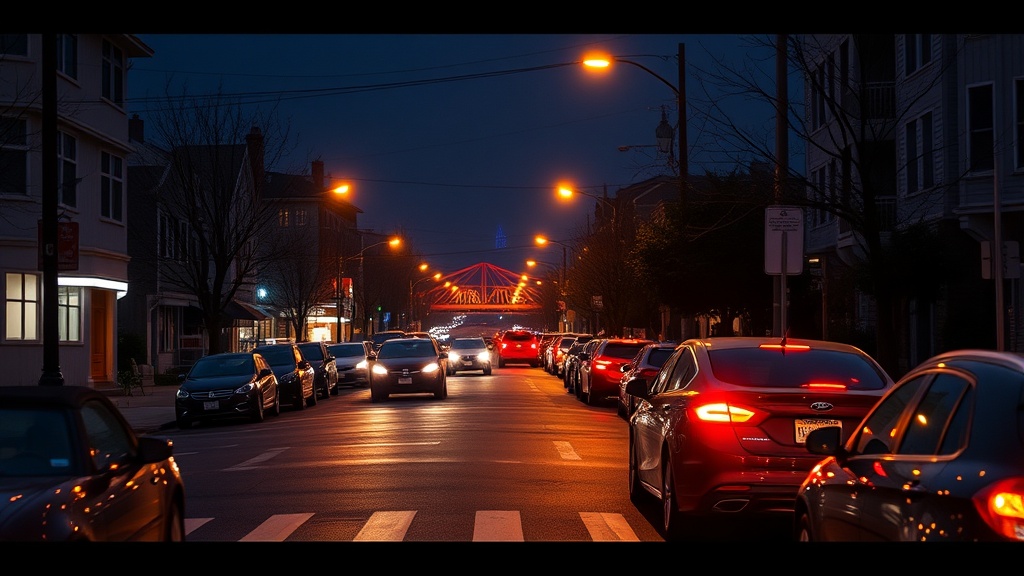
Managing English Bay Resident Parking and Street Access

Over 60% of the residential streets surrounding the English Bay waterfront rely on strict permit systems to ensure local residents can actually park near their homes after a long day of work. This guide covers how to manage your parking permits, understand the seasonal shifts in street access, and deal with the frequent congestion that hits our English Bay neighborhood during peak seasons. Understanding these rules keeps our community functional and prevents unnecessary fines from the City of Vancouver.
Living in English Bay means balancing the peace of our residential side streets with the high demand from visitors flocking to the Seawall. If you don't have your paperwork in order, you might find your car towed or receive a hefty ticket. We've seen too many neighbors struggle with the digital registration process, so we've broken down exactly what you need to do to keep your vehicle legal on our streets.
How do I get an English Bay residential parking permit?
The process for securing a permit in the English Bay area is almost entirely digital now. You'll need to prove your residency through a utility bill or a formal rental agreement. Most of us use the official City of Vancouver portal to manage this. It's important to note that permit availability can fluctuate based on the specific block you live on—some streets near the beach have much tighter restrictions than those further up toward Denman Street.
To get started, follow these steps:
- Log into the City of Vancouver website and search for the residential parking section.
- Upload a digital copy of your government-issued ID and a proof of residence (like a BC Hydro bill).
- Select your specific zone within the English Bay neighborhood.
- Pay the annual fee via credit card.
Once approved, your license plate is registered in the city's database. You don't need a physical sticker on your windshield anymore, which is a relief for those of us who like a clean car! Just make sure your vehicle information is always up to date in the system, especially if you get a new car or a rental.
Can I park on the street in English Bay without a permit?
Technically, yes, but it's a gamble. There are specific time windows where non-permit holders can use the street, but these are usually very limited—often only during mid-day or late-night hours. If you live near a busy area like the intersection of Denman and Georgia, you'll notice that the rules change depending on the day of the week. We suggest checking the signage on your specific block before you leave your car unattended.
Common pitfalls for our English Bay neighbors include:
- The 3-hour limit: Even in non-permit zones, many streets have a 3-hour maximum to prevent long-term storage.
- Loading Zones: Never park in the zones marked for deliveries; the local businesses in English Bay rely on these, and the enforcement-officers are quite active.
- Seasonal Changes: During the summer months, the city often increases enforcement near the English Bay Beach area to keep traffic flowing.
For the most current rules on time-limited parking, you can always check the official City of Vancouver parking pages. It's better to spend five minutes reading the rules than five hours dealing with a tow truck.
Where can I find long-term parking near English Bay?
If you're a resident who has multiple vehicles or a larger van that doesn't fit the standard residential permit criteria, you might need to look for alternatives. Most of us find that the municipal parkades are the most reliable option. While they cost more than street parking, they offer a level of security that the street doesn't provide during heavy rain or high-traffic weekends.
Here are a few reliable options near our neighborhood:
| Location Type | Best For | Typical Cost |
|---|---|---|
| Municipal Parkades | Long-term/Overnight | Daily rates apply |
| Private Lots | Short-term/Errands | Hourly rates |
| Residential Driveways | Monthly/Long-term | Varies by agreement |
If you are looking for a more permanent solution, some neighbors in the English Bay area have successfully negotiated private long-term leases with local property managers. This is often more cost-effective than using public lots if you're staying for months at a time. Always ensure any agreement is documented to avoid disputes with local building management.
Living in a high-demand area like English Bay requires a bit of extra planning, but once you have your permit and a solid understanding of the local-specific zones, the stress of street parking becomes much more manageable. Keep an eye on the local community boards for any sudden changes in traffic patterns or new construction that might temporarily block your usual street access.