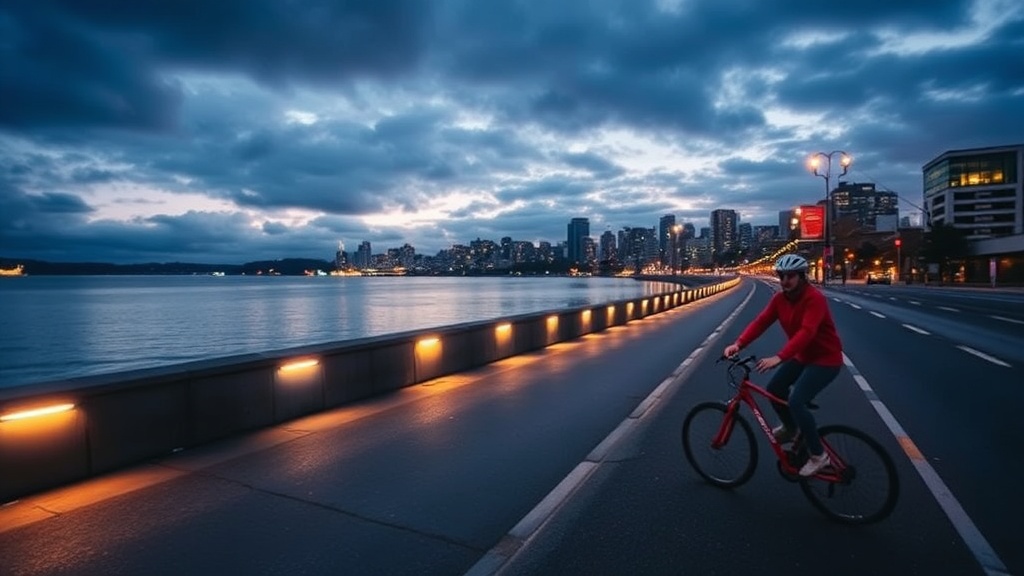
Navigating the English Bay Seawall on Two Wheels

This guide provides specific instructions on how to ride the English Bay Seawall safely, where to rent high-quality gear, and how to avoid the common pitfalls of cycling through Vancouver's most popular recreational corridor. You'll find practical advice on bike types, seasonal traffic patterns, and etiquette for sharing the path with pedestrians.
Where Can I Rent a Bike Near English Bay?
You can rent a wide variety of bicycles from several shops located around the West End and near the Denman Street corridor. Most rental shops offer everything from standard cruisers for casual rides to high-end road bikes for more serious cyclists. If you're looking for something quick and easy, many shops near the intersection of Denman and Beach Avenue have fleets ready to go.
When choosing a rental, consider how far you actually intend to go. A casual cruiser is perfect for a slow ride to a cafe, but if you're planning to head toward Stanley Park or even further toward Kitsilano, you might want something more efficient. Here is a quick breakdown of common rental options in the area:
| Bike Type | Best For | Typical Terrain |
|---|---|---|
| Cruiser/Beach Bike | Casual sightseeing and slow rides | Flat, paved paths |
| Hybrid Bike | Longer distances and varying speeds | Paved paths and light gravel |
| Road Bike | Speed and efficiency | Smooth, paved surfaces |
| Electric Bike (E-bike) | Long distances without heavy exertion | Uphill sections and long stretches |
If you want to check the current regulations for cycling in the city, visit the City of Vancouver official website. It's a good idea to check their seasonal updates, as rules can shift during peak summer months.
How Do I Stay Safe on the Seawall?
The most important rule for staying safe is to stay to the right and maintain a predictable line. The Seawall is a shared space, and while it feels wide, it can get incredibly crowded with pedestrians, joggers, and other cyclists. You'll often see people walking dogs or families with strollers—always be prepared to slow down or stop abruptly.
Safety isn't just about avoiding collisions; it's about being visible. If you're riding in the late afternoon or evening, a bright light is a non-negotiable requirement. I highly recommend carrying a small light, even if you don't plan on staying out late. Most rental shops will provide these, but it's worth double-checking before you leave the shop.
Here are a few rules of the road to keep in mind:
- Signal your turns: Don't just pivot; use your arms to let others know your intentions.
- Use a bell: A quick, polite tap of a bell is much better than shouting when passing a slow walker.
- Watch the "blind spots": When passing a group of pedestrians, slow down significantly.
- Avoid "weaving": It's tempting to weave through crowds, but it's dangerous and frustrating for everyone else.
If you find yourself getting tired after a long ride, you might want to take a break at one of the hidden coastal cafes in the West End. Taking a break helps you reset your focus, which is vital when the path gets busy. Fatigue often leads to mistakes, and on a path this populated, mistakes are costly.
One thing to note—the Seawall is strictly for non-motorized transport. You won't see cars here, but you will see e-scooters and electric skateboards. These can be much faster than pedestrians, so keep your eyes peeled for them coming up from behind.
What Are the Best Times to Ride to Avoid Crowds?
The best time to ride the English Bay Seawall is during the early morning hours, specifically before 10:00 AM on weekdays. During this window, the path is much quieter, the air is cooler, and you won't have to fight for space with large tour groups or heavy pedestrian traffic. Once the clock hits noon on a Saturday or Sunday, expect the path to be packed.
If you can't make it in the early morning, late evening is your next best bet. The light during the "golden hour" is spectacular, but the crowds often linger to watch the sunset. If you're looking for a peaceful ride, avoid the mid-afternoon rush entirely. It's much more pleasant to ride when you aren't constantly braking for a group of tourists stopping to take a photo.
A quick tip: If you're planning to ride through the area during a major event, you'll need to adjust your expectations. For example, if you're near the water during a large event, the density of people increases exponentially. You can read my guide to the Celebration of Light to understand how massive crowds can impact local movement and accessibility.
Here is a breakdown of typical crowd levels by time of day:
- 6:00 AM - 9:00 AM: Low density. Ideal for serious cyclists and commuters.
- 10:00 AM - 4:00 PM: High density. Lots of tourists, families, and casual walkers.
- 4:00 PM - 7:00 PM: Very high density. The "sunset rush" where everyone wants a piece of the view.
- 8:00 PM - 10:00 PM: Moderate density. The crowds thin out, but the path remains active.
If you're a photographer or someone who enjoys a quiet moment, the morning is your only real option. The light is crisp, and the lack of noise makes the experience much more meditative. It's a completely different world than the chaotic afternoon scene.
Don't forget to check the weather. While Vancouver is known for its rain, the Seawall can become quite slippery when the pavement is damp. If you're riding in the rain, slow down—the transition from dry to wet can be tricky on the paved surfaces near the seawall edges. You can check the local forecast on the Environment Canada website to plan your ride accurately.
One final thought—always be respectful of the pedestrians. The Seawall is a shared public space, and while we love our bikes, many people are out there just to enjoy a stroll. A little bit of patience goes a long way in keeping the vibe positive for everyone.
Steps
- 1
Check Your Gear
- 2
Follow the Directional Flow
- 3
Signal Your Intentions
- 4
Stay Alert for Pedestrians