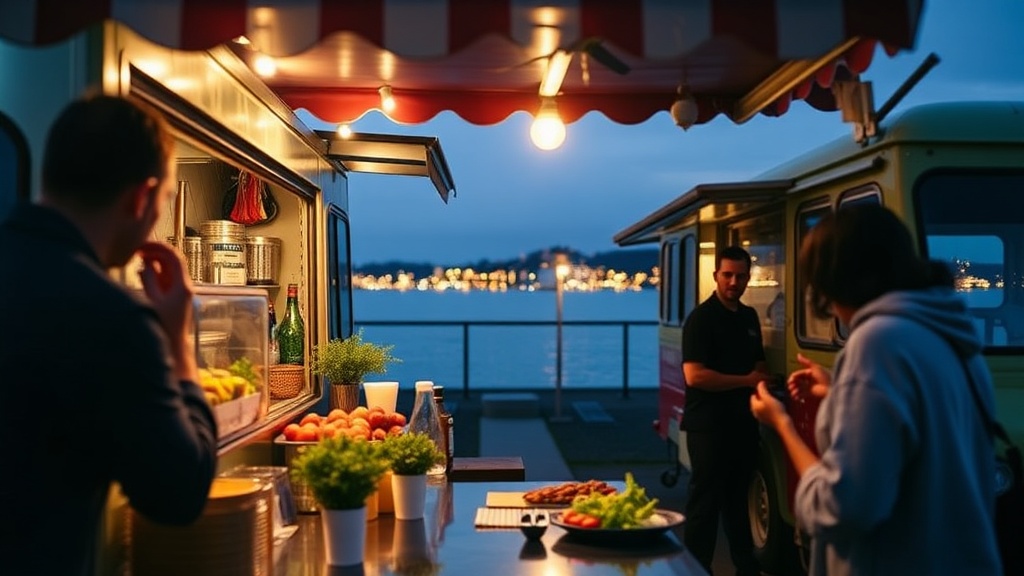
Savoring the Best Seasonal Flavors at English Bay Food Trucks

Many people assume that food trucks in Vancouver only offer heavy, greasy comfort food like fries and burgers. That's a mistake. While those classics exist, the seasonal shifts in British Columbia's coastal climate actually drive a much more sophisticated menu rotation. This post breaks down how to track the best seasonal ingredients, which trucks to watch for during the summer versus winter, and how to time your visits to get the freshest local produce before it sells out.
Eating from a truck in English Bay isn't just about grabbing a quick bite. It's about timing. If you show up when the seasonal menu has already shifted, you'll miss the window for the best local ingredients. For example, the way a truck handles Pacific salmon in the spring is completely different from how they use root vegetables in the late autumn.
What are the best seasonal foods to look for in Vancouver?
The best seasonal foods to look for are hyper-local ingredients like BC berries in the summer and hearty root vegetables or wild mushrooms in the autumn. Food trucks in the West End often pivot their menus based on what's hitting the markets in the Lower Mainland. During the height of summer, you'll see more fruit-based salsas and lighter, acidic profiles. When the rain starts hitting the coast, the menus lean into heavier, warming spices and slow-cooked proteins.
It's worth noting that the menu changes aren't just arbitrary. They follow the supply chains of the BC Food Cluster and local farmers' markets. If you see a truck offering a dish with seasonal peaches or even local cherries, grab it immediately. Those windows are incredibly short—sometimes only a few weeks—and once they're gone, they're gone for the year.
Here is a quick breakdown of what to expect during different times of the year:
| Season | Primary Flavors | Typical Ingredients |
|---|---|---|
| Spring | Bright, Herbaceous | Asparagus, Green peas, Ramp-infused oils |
| Summer | Sweet, Acidic | BC Berries, Corn, Heirloom tomatoes |
| Autumn | Earthy, Savory | Wild mushrooms, Roasted squash, Apples |
| Winter | Warm, Spiced | Root vegetables, Braised meats, Ginger |
The Summer Peak
Summer in English Bay is peak season for a reason. The weather is perfect for sitting on a bench near the water. You'll find trucks specializing in things like gourmet tacos or artisanal grilled cheese that utilize fresh summer corn or seasonal fruit preserves. The goal here is lightness. You don't want to feel weighed down if you're planning to walk along the Seawall afterward.
If you're planning a meal, you might also want to consider picking the perfect table for a West End patio session to enjoy your food while the sun is still up. The vibe is entirely different when you're eating a fresh seasonal taco under the sun versus a warm bowl of stew in the rain.
How much does a meal from an English Bay food truck cost?
A typical meal from a high-quality food truck in this area ranges from $12 to $22 CAD depending on the complexity of the dish. While you can certainly find cheaper options, the trucks that specialize in seasonal, locally sourced ingredients tend to sit at the higher end of that scale. This is because the cost of fresh, local produce—like BC-grown berries or seasonal seafood—is naturally higher than imported, shelf-stable ingredients.
Don't expect to find "cheap eats" in the sense of $5 meals. The quality of the ingredients makes a difference in the price. However, the value is usually there if you're looking for a high-quality, chef-driven meal that isn't quite as expensive as a sit-down restaurant. Most trucks are also quite efficient with their payment systems, usually accepting most major credit cards or mobile payments.
Keep in mind a few things when budgeting:
- Sides and Drinks: A drink or a side of fries can add another $5-$8 to your total.
- Tipping: While not strictly required for a quick-service truck, it is common practice in BC if you're sitting down at a nearby communal table.
- Delivery Fees: If you're ordering via an app, the price will jump significantly. It's always better to walk up and order in person.
Where can I find the best food trucks in the West End?
The best food trucks are typically found clustered around the parks and waterfront areas of the West End, particularly near English Bay and near the Denman Street corridor. While they move around, many have "home bases" or frequent specific spots during certain days of the week. You'll often find them near the parks where people gather for events or simply to enjoy the view.
It's a good idea to check local social media or the Vancouver Food Truck registries if you're looking for a specific cuisine. The locations can be a bit fluid, which is part of the charm, but it also means you need to be proactive. If you see a truck you like, don't hesitate to ask the staff where they'll be the next day—they're usually happy to tell you.
If you're out with your dog, you might want to check out neighborhood dog parks and off-leash zones to see if there's a spot nearby where you can sit and eat while your pup relaxes. Many food truck customers are locals walking their dogs, so it's a very dog-friendly culture.
One thing to watch for: the best trucks often sell out of their "specialty" seasonal items by mid-afternoon. If a truck is advertising a specific seasonal salmon dish, get there early. If you wait until 6:00 PM on a Friday, you might find they've moved onto a more standard, non-seasonal menu.
The difference between a standard burger and a seasonal one is massive. A standard burger is predictable. A seasonal burger—perhaps topped with a local peach chutney or a wild mushroom sauté—is an experience. It's that distinction that makes the English Bay food truck scene so much more interesting than a standard fast-food run. It's about the connection to the local land and the current season. You're eating what is currently thriving in British Columbia, which makes every bite feel more intentional.
When the weather turns, the scene shifts. You'll see fewer people standing around with paper plates and more people seeking out the heavy, steaming-hot options. The transition from a light summer salad to a hearty bowl of seasonal stew isn't just a change in temperature—it's a change in the very soul of the neighborhood's food culture. It's one of the many reasons why this area remains such a vibrant place to live and eat.