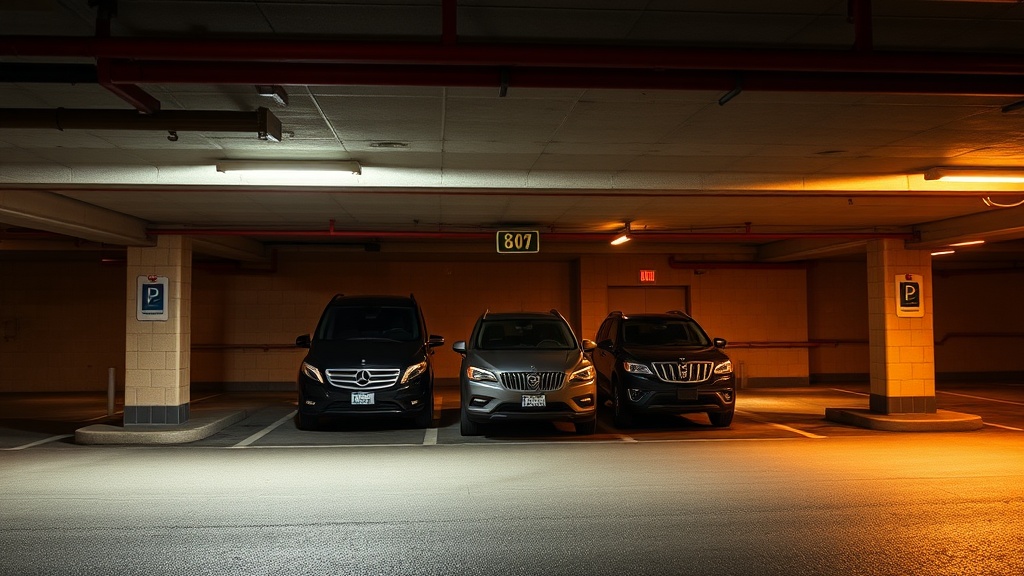
What Do English Bay Residents Actually Pay for Underground Parking?

Why Everyone Gets the Numbers Wrong
People assume underground parking in English Bay comes cheap—or that it's bundled into every condo fee like clockwork. That's not how it works here. If you're renting a spot, buying a unit with parking included, or trying to figure out what your building's strata charges, the numbers shift depending on which block you're on. Some spots near Beach Avenue command rates that would make a Downtown Eastside landlord blink. Others—tucked back on Harwood or Bidwell—sit half-empty because the pricing never made sense.
We're going to break down what parking actually costs in our neighborhood. Not theoretical averages from real estate reports, but the numbers locals see on Craigslist listings, strata notices, and rental agreements. If you're trying to budget for a move—or wondering why your building's parking fund keeps climbing—this is what you need to know.
What Should I Budget for Monthly Parking Rentals?
English Bay isn't a single market when it comes to parking. The closer you are to the seawall, the more you'll pay. Here's what we've tracked over the past year:
- Beach Avenue & Pacific Street: $150–$250/month for underground spots. Outdoor surface spots—when you can find them—run $100–$150. Buildings like 1850 Comox Street and the towers near English Bay Beach charge premium rates because demand stays high year-round.
- Harwood & Burnaby Street corridor: $120–$180/month underground. You're farther from the sand but still walking distance to everything. Several buildings here have waitlists—not because spots don't exist, but because owners hold them as investments.
- West of Denman: $100–$140/month. The trade-off is a longer walk to the beach, but you're paying less. Buildings near Stanley Park tend to have more spots available because the resident demographic skews older—and some long-term owners simply don't drive anymore.
- Visitor parking scams: We've seen spots advertised at $80/month that turn out to be visitor stalls being illegally sublet. Don't fall for it. Check with your building's strata council before handing over money.
These numbers change with the seasons. Summer brings short-term renters who'll pay inflated rates for three months. Winter softens demand—but not by much. English Bay doesn't empty out like some beach neighborhoods. We're here year-round, and so is the parking pressure.
Which Buildings Include Parking in Strata Fees?
This is where misconceptions really take hold. Some buyers assume parking is always included in monthly maintenance fees. It isn't. In English Bay, there are three common structures:
- Assigned parking, separate title: You buy the spot separately. It's yours. You pay property taxes on it. You can sell it independently (in theory—though most buildings restrict sales to residents). Monthly strata fees for the spot itself run $30–$50.
- Assigned parking, common property: The spot comes with your unit but you don't own it outright. You can't sell it separately. If you rent out your condo, you can rent the parking too—but some stratas cap how many rentals you can have at once.
- First-come visitor parking: No guaranteed spot. This is common in older buildings on Barclay and Davie. Residents rely on street parking permits or rent nearby.
If you're looking at a listing, read carefully. "One parking included" doesn't tell you which structure applies. Ask specifically: Is it a separate title? Is it common property? Is there a current rental agreement in place? We've seen deals fall through because buyers assumed they'd be collecting $200/month from a tenant—only to discover the spot was common property and the previous owner had already maxed out the building's rental cap.
Why Do Some English Bay Buildings Charge Extra for Storage?
Parking and storage often get bundled in conversations, but they're separate beasts. In our neighborhood, storage lockers follow similar logic—separate title vs. common property—but the monthly rates are lower. Expect $25–$50/month for a standard locker in most buildings.
Here's the local quirk: buildings constructed after 2010 near English Bay were required to include more bike storage than older developments. That sounds good—until you realize those bike rooms ate into locker space. Some residents rent parking spots just to store bikes and seasonal gear, which drives up demand (and prices) for vehicle parking. It's a strange cascade effect that doesn't get talked about in city planning meetings.
One building we tracked—near Morton Park—has a waitlist of 40 people for lockers. The parking waitlist? Six. That's how skewed demand has become for storage vs. vehicles in some towers.
Where Can I Find Short-Term Parking for Guests?
This is the question that splits our community at every strata AGM. Visitors have options—but none of them are perfect:
- Street parking: Time limits apply. Most of English Bay falls under City of Vancouver parking regulations with 2-hour limits unless you have a residential permit. Evening hours (usually 10 PM to 8 AM) are unrestricted in most zones—but check the signs. They change block by block.
- Pay parking lots: The lot at English Bay Beach fills fast on weekends. Rates run $3–$4 per hour, with daily maximums around $15–$18. Not cheap for a dinner guest.
- Building visitor stalls: Most stratas offer 2-hour or overnight visitor parking—but enforcement varies. Some buildings use license plate recognition. Others rely on dated permit systems. If your guest overstays, they'll get towed. No warnings.
- Nearby commercial lots: The Robson Street parking options are walkable from the east side of our neighborhood. Rates there sometimes undercut beach lots—especially weekday evenings.
Our advice? If you're hosting, check your building's visitor policy before guests arrive. Nothing kills a dinner party faster than a $200 tow bill.
What Happens to Parking When Buildings Strata Fees Rise?
This is the question nobody asks until it's too late. When your building's elevator needs replacement or the roof membrane fails, strata fees jump. Parking revenue—if your building collects it—can help offset those costs. But here's the catch: only buildings where parking is common property can direct that revenue to the contingency fund.
If parking spots are separately titled, the owners of those titles keep the rental income. The strata corporation gets nothing. That dynamic creates tension at AGMs. Resident-owners who rent their spots privately benefit from building improvements they didn't help fund through parking revenue. It's a governance issue that local coverage has touched on but few people understand until they sit on council.
In English Bay specifically, we've seen three buildings on Beach Avenue restructure their parking arrangements in the past five years—shifting from separate titles to common property to capture revenue for building maintenance. It's messy, legalistic, and expensive. But for aging towers facing envelope repairs, it can be the difference between a special levy and financial stability.
So before you celebrate finding a "cheap" rental spot in a building with low strata fees, ask what's coming. A $150/month parking deal isn't a deal if the building's facing a $30,000 per unit assessment for window replacement—and there's no reserve fund because parking revenue never flowed to the strata.